
Motivation
The triggering event for me was 25 years ago, the Islamist terror attacks of 9/11. I was in New York city that day meeting with some of my Booz Allen partners from the US, Europe, Asia and the Middle East. Our meeting was disrupted by the news of the first crashes and most of us watched together as the buildings collapse on television. From our hotel we could see the smoke. Trapped together by the shutdown of transportation our partner discussions covered a range of topics about the individual attackers, their motivation, the forces behind them and possible global response.
Since that day, coordinated attacks against our democracy and our way of life continue. Authoritarian governments see our freedom of speech, freedom of religion, free elections, a free press, and free enterprise as threats. But these freedoms are also seen by them as weaknesses to be exploited.
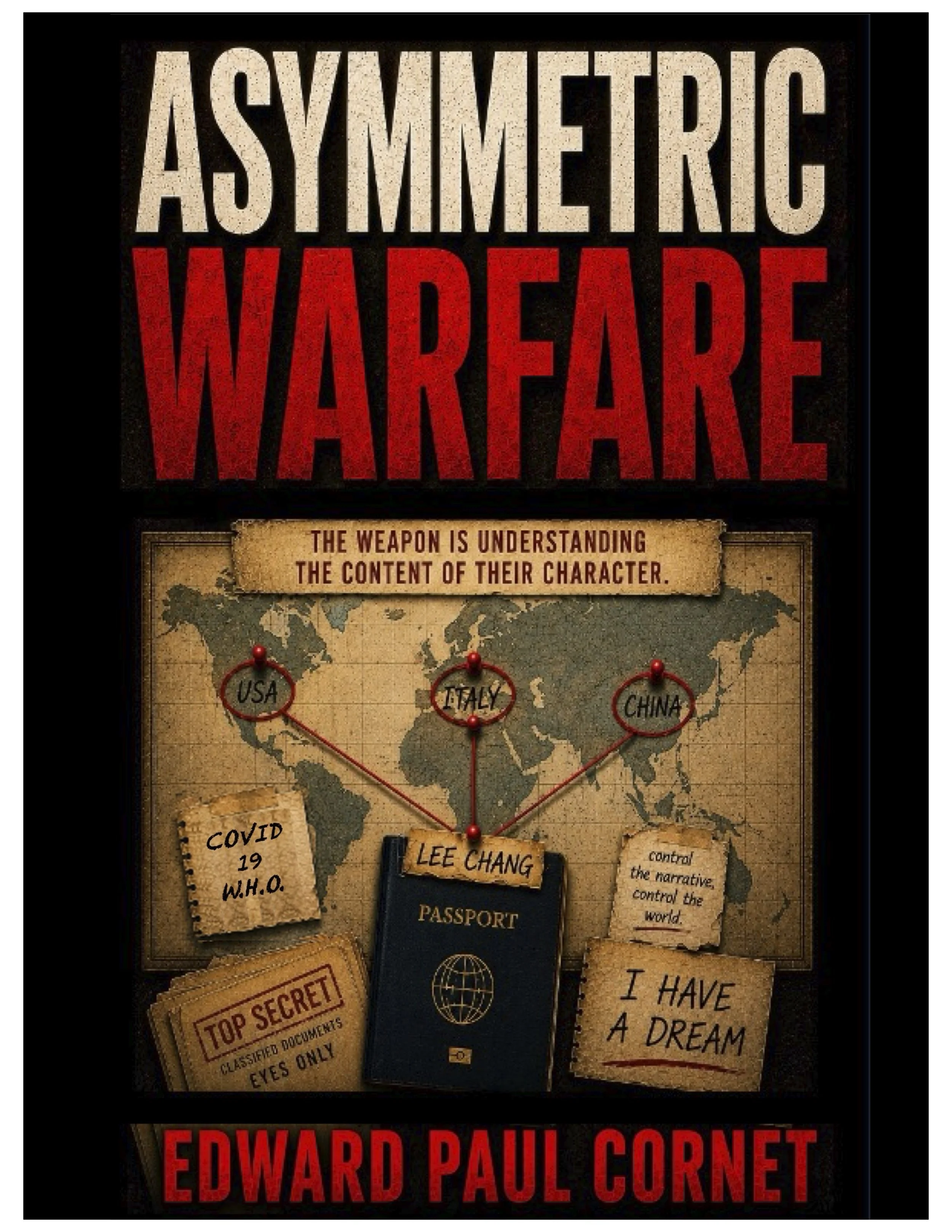
This novel tells the story of a man, Lee Chang, who grew up in China post the Tiananmen Square riots, the fall of the Berlin Wall and the collapse of the Soviet Union. He and his patriotic fellow high school classmates conceived an “Asymmetric Warfare” approach to protect China from continued capitalist attacks, largely based on their juvenile martial arts training. Chinese intelligence supported their university education to flesh out their plan.
But Lee’s own academic career was inspired by MLK’s “I Have a Dream” speech. His PhD Psychology research defined a way to assess a person’s character to enable better personnel decisions in business and government. However, he began to realize that his country’s intelligence agency was using his findings to manipulate American citizens of weak character to undermine their society as part of a clandestine program of “Asymmetric Warfare.” Sensing his concerns he was distanced from the work.
Moved to other assignments Lee served for three years on a WHO COVID task force to gather information and use his psychology skills to develop improved hospital pandemic procedures. During this time he fell in love with another task force member, an Italian medical doctor. He planned to quit his work for China and move to Italy to start a new life with her. But his plans to leave are discovered.
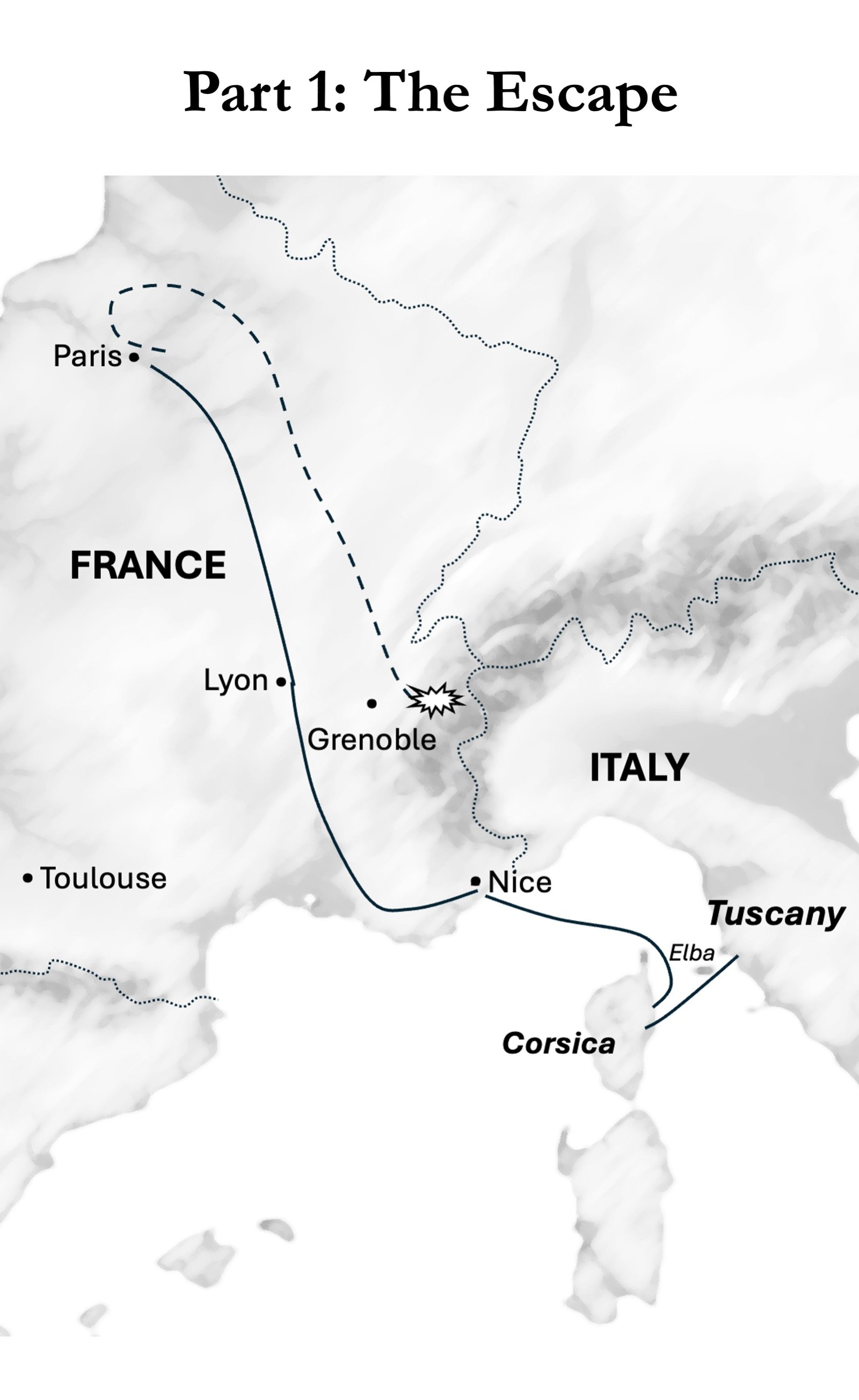
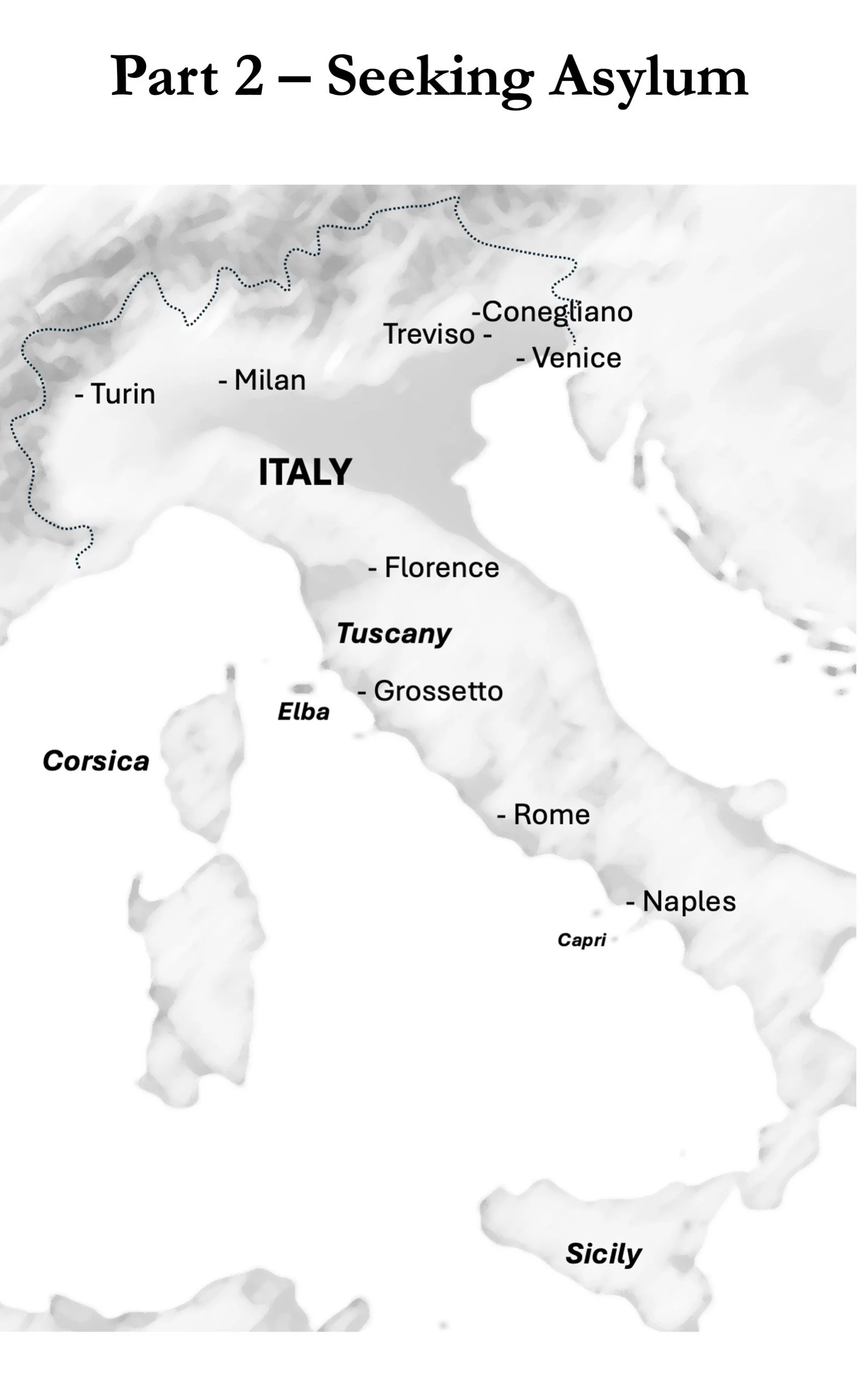
With the aid of his fiancée and her friend Lee barely escapes an attempt on his life. He seeks asylum with the Italians in exchange for his limited knowledge of the clandestine AW program. The broad strokes of the program emerge across education, politics, social justice, international trade as well as state and non-state actors. Although Lee and his new wife are finally beginning to feel safe in their new life together the intelligence agencies are frustrated with the lack of actionable facts.
The novel’s conclusion shatters this situation for all.
——————————-
During my career as a management consultant a wave of investments in commercial satellite technology for telephony, internet and direct broadcast television - Iridium, Thuraya, Intelsat, Eutelsat, DirecTV – connected me with owners and operators in over 50 countries on six continents. The ratio of private sector and government capital and decision control varied greatly. Some aspects of these deals made me fully aware that not all countries operated with American business principles as restrained by US law.
At a conference in Hong Kong just before the British handover to China, a Chinese executive boasted of their strategy to use free trade and China’s cheap labor to siphon manufacturing jobs and technologies from the US. I thought little of this until some of my high-tech industry clients shared their concerns about protecting their intellectual capital when negotiating deals with Chinese companies.
But I saw the direct impact upon retirement from Booz Allen when I led the Management Consulting concentration at the Kenan-Flagler business school in Chapel Hill. To connect the theory to the real world I started the STAR program, “Student Teams Achieving Results” where during my tenure small teams of MBA students advised over 40 North Carolina small businesses who were struggling to adapt to our changing economy. Examples included: the young owner of a vacant forty-acre factory site seeking a way to re-employ the 100’s of workers let go when his family outsourced the furniture manufacturing to China, a lumber mill operator having to shift sales of native hard woods from in-state to overseas, and a non-profit in the mountain home of “The Perfect Christmas Tree” seeking to market the artfully made, hand-crafted goods of many of the displaced workers.
These experiences convinced me that our 21st century battles between adversaries will not be lost to bombs and blood, but to foreign manipulation of the marketplace and the hearts and minds of our citizens. We must wake up to reality.
Synopsis
Lee Chang was a smart, hardworking young boy with an inquisitive mind. Unfortunately, as the son of a poor dock worker in a busy port in China, his future was limited. A decade or so before 9/11 the Chinese Communist Party used a series of events to evoke patriotic emotions in their citizens. The state-controlled media framed the pro-democracy riots in Tiananmen Square, the fall of the Berlin Wall and collapse of the Soviet Union as western capitalist attacks on communism. They declared the need to build a defense against democracy and develop a long-term plan to go on the offensive against their economically superior foes. Patriotic young Chinese responded to the call.
Lee Chang and his high school friends' patriotism inspired them to conceive the Asymmetric Warfare approach for China to battle much stronger capitalist attackers. Their ideas, inspired by their martial arts training, were to leverage China’s resources to take advantage of America’s freedoms to drive apart existing social and political divisions weakening their society. Their ideas won them college scholarships.
But at university Lee’s academic focus shifted to understand what Martin Luther King meant by “the content of their character.” This drove his academic career as a PhD Psychologist to develop an objective character framework to help people identify those of strong character for leadership positions. But Chinese intelligence was misusing Lee's academic work solely to identify and manipulate American citizens of weak character to unwittingly undermine their own society. When Lee expressed doubts he was distanced from the program.
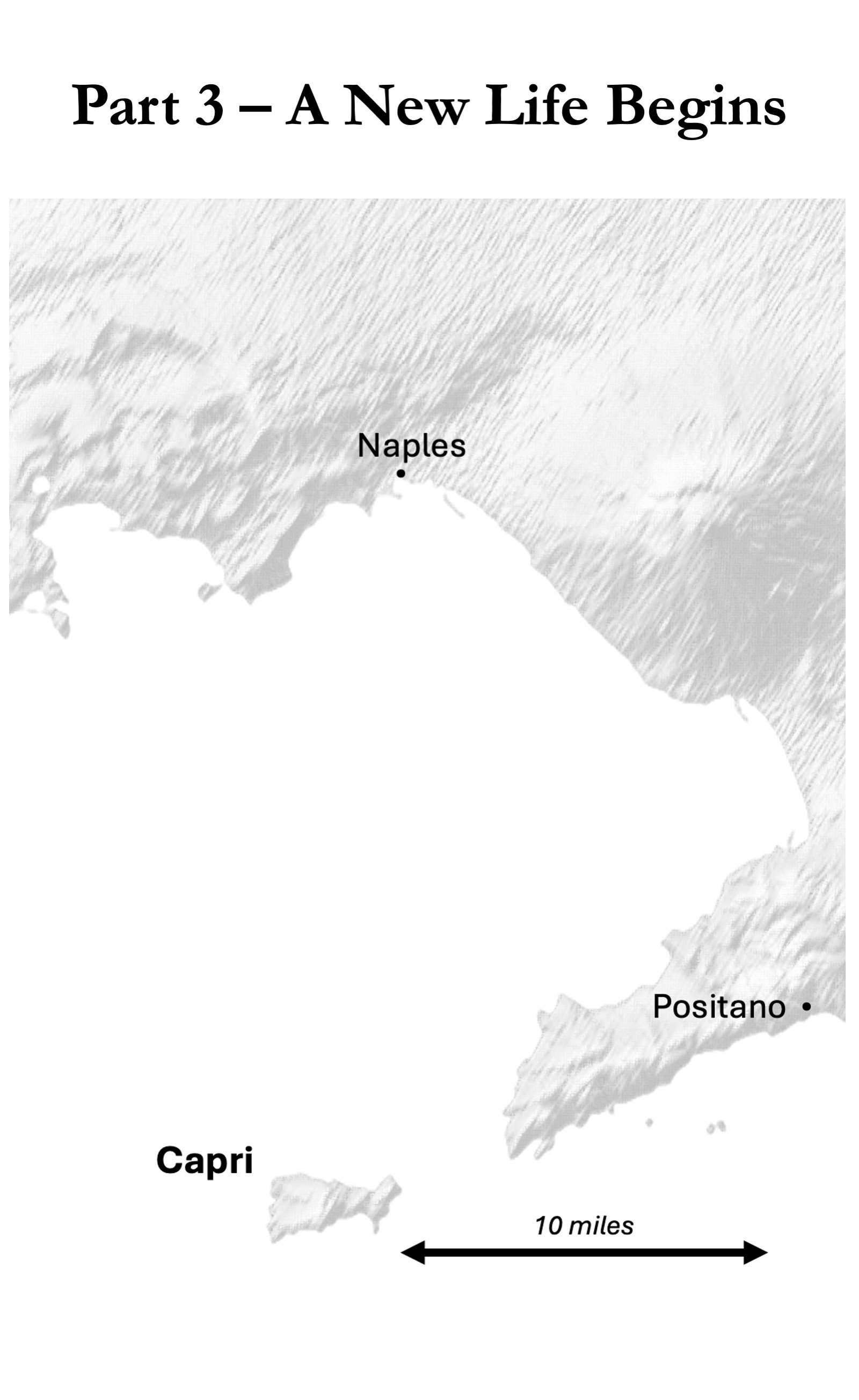
A new assignment gave him a way to help global society. Lee spent three years on an international COVID task force using his understanding of human nature to formulate more efficient and effective management plans. During these years he fell in love with one of his task force colleagues, a brilliant and beautiful Italian doctor. They agreed to marry and begin their new life together in Italy.
Unfortunately, they found that starting anew would not be as easy as they thought.
——————————-