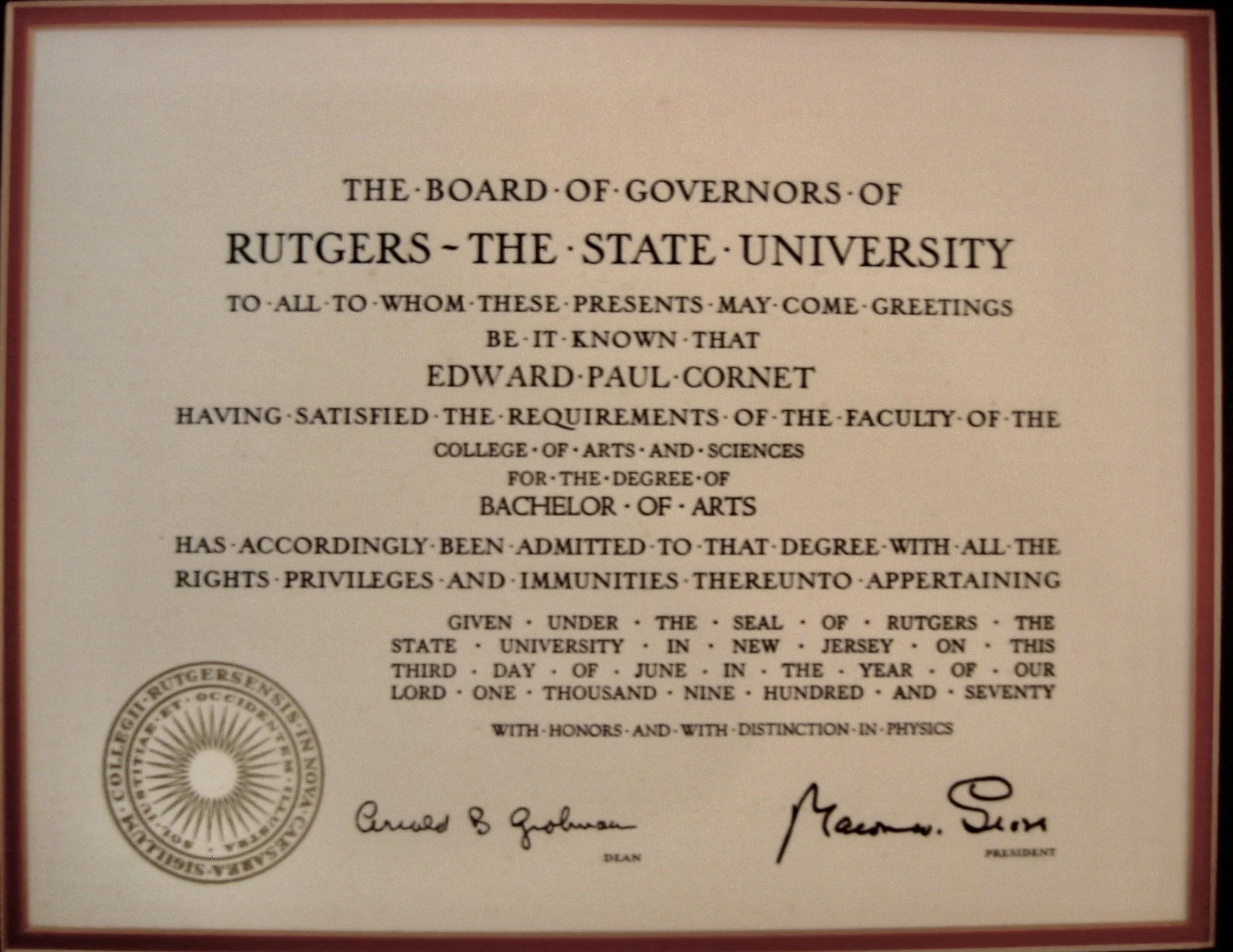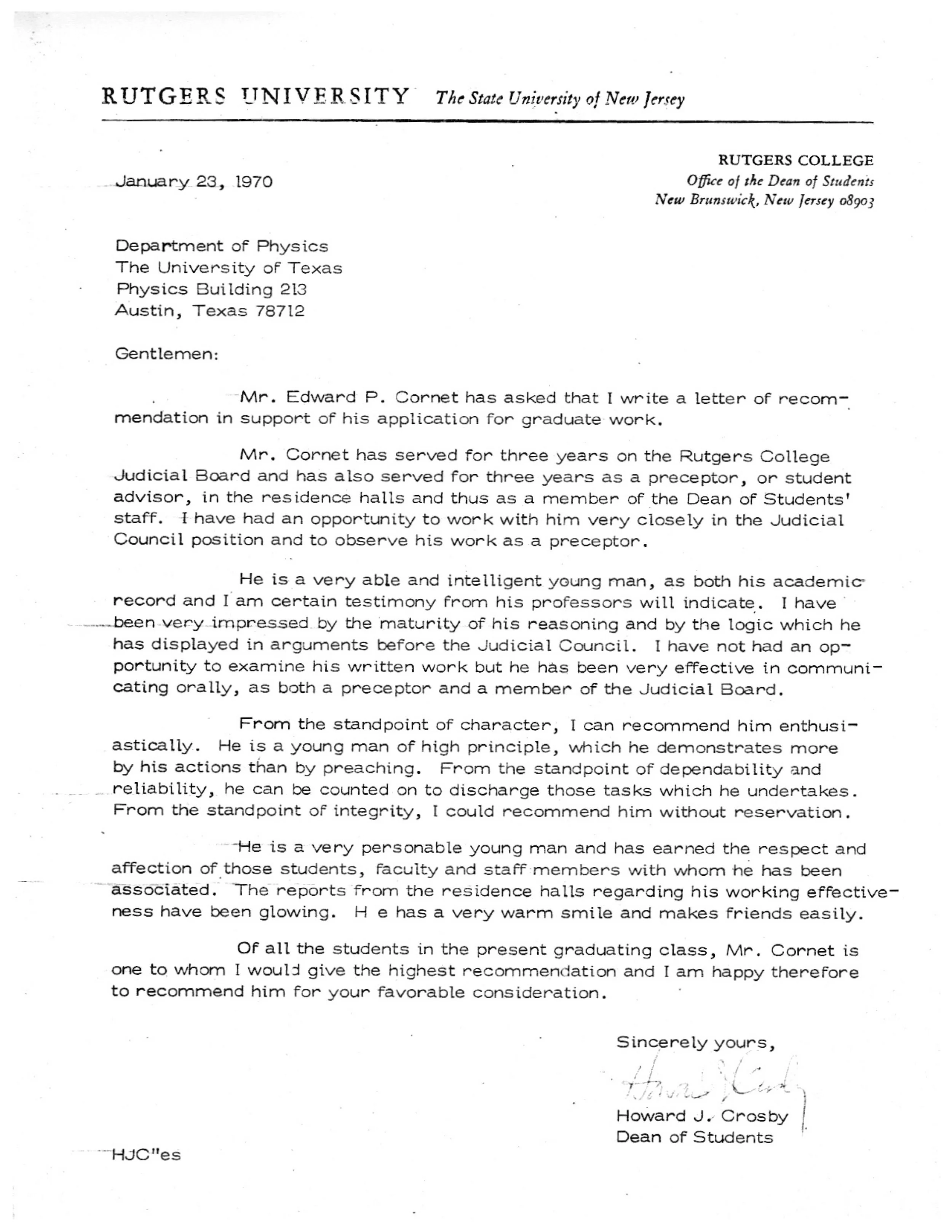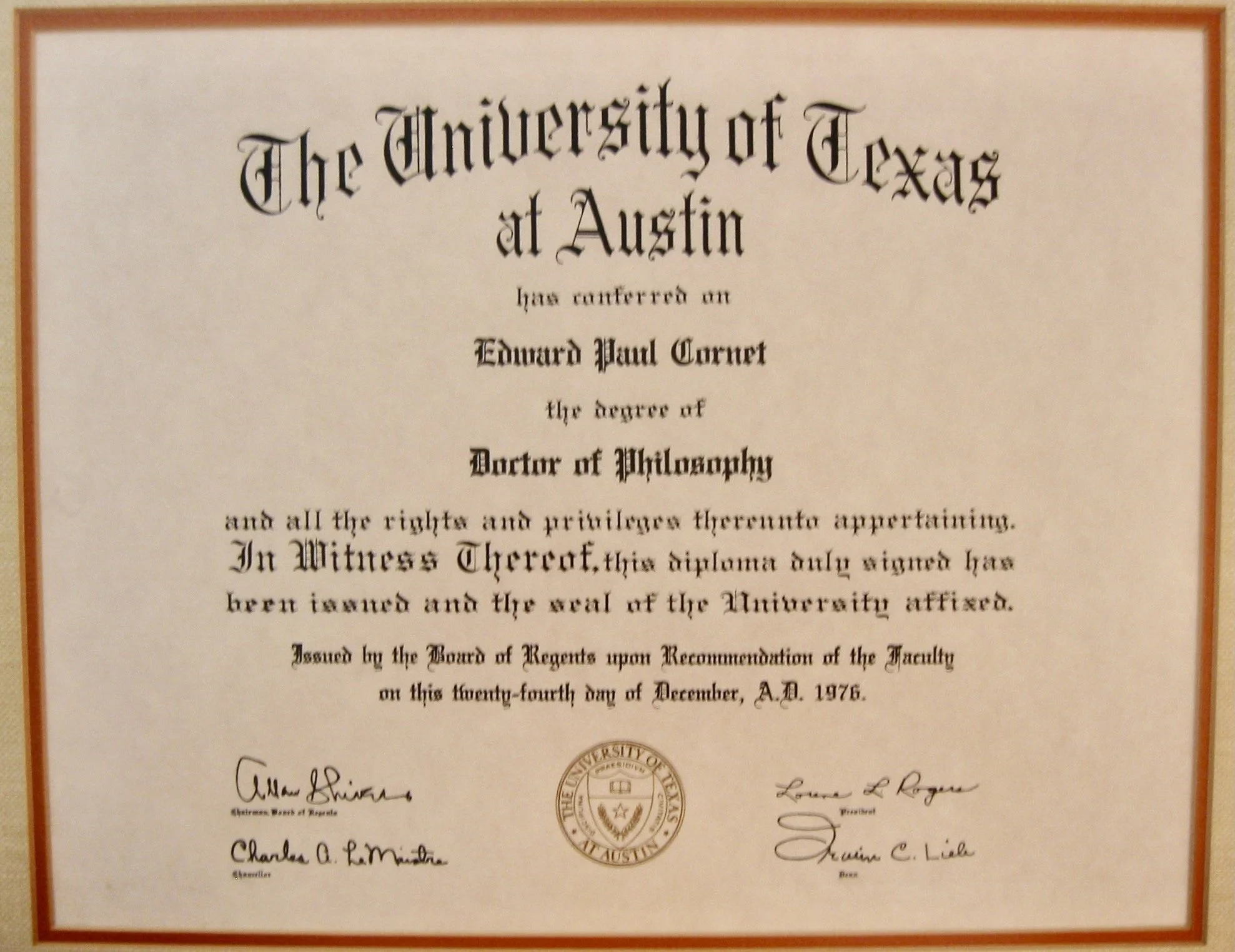
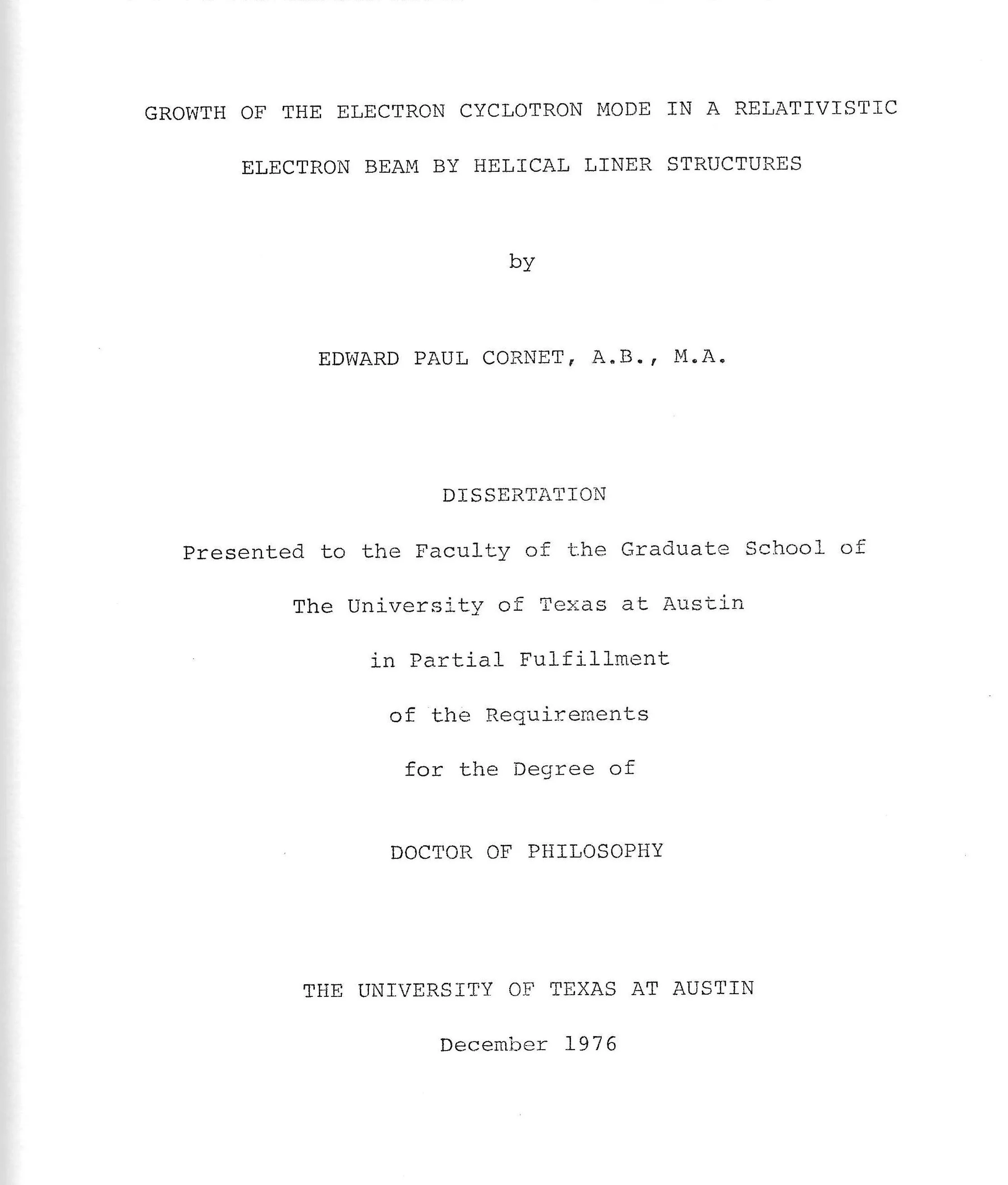
The promise of clean nuclear energy by means of nuclear fusion of deuterium and tritium atoms is what led me to the University of Texas at Austin. Their US Department of Energy funding made them one of only two universities building a Tokamak to test high energy plasma confinement and heating approaches. My theoretical work on radiation loss mechanisms supported British experimental results that surface energy losses on small devices would likely limit plasma temperatures to below that needed for sustained fusion.
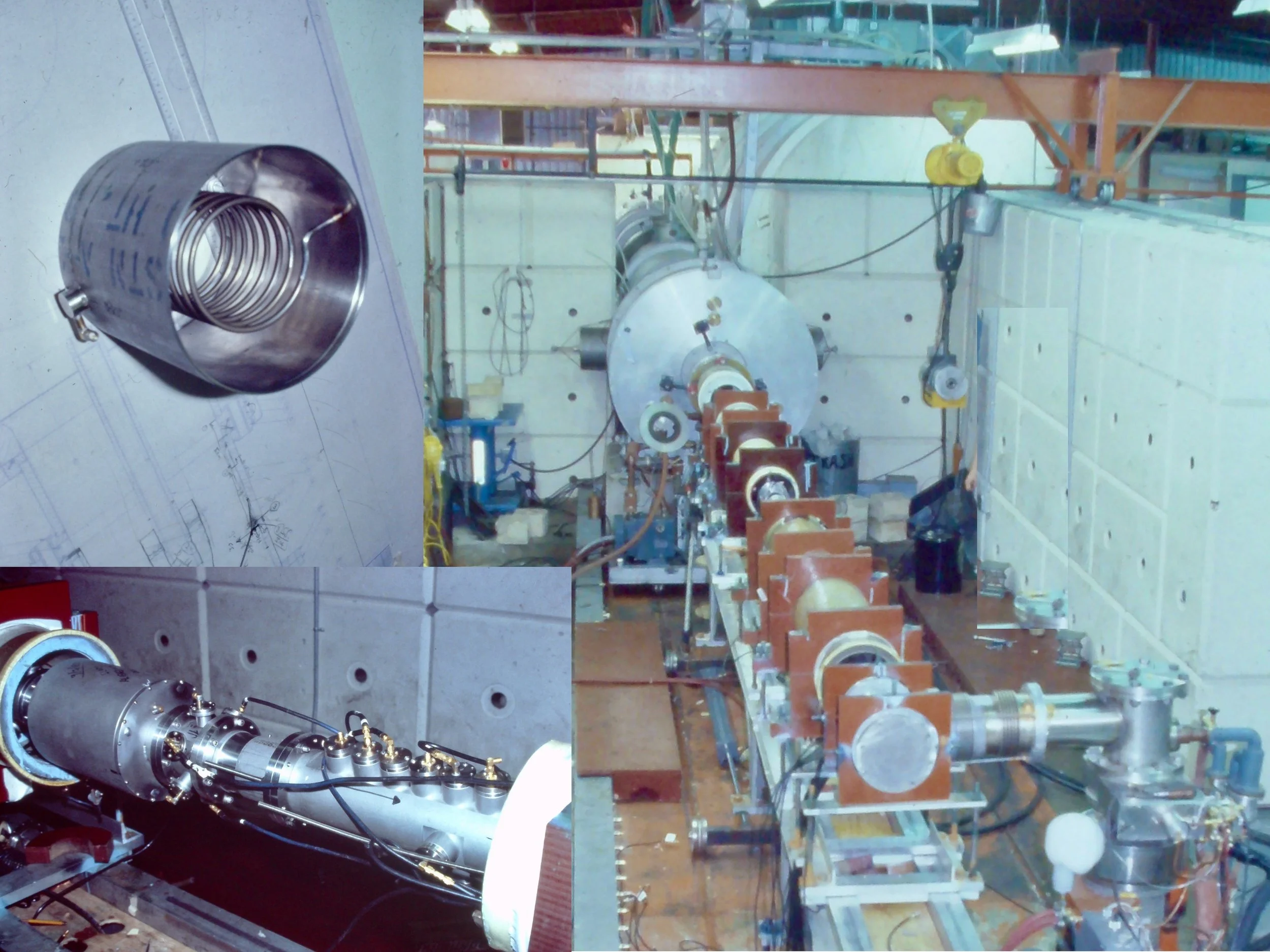
But my PhD advisor and head of the Plasma Physics Department at UT also ran a private company, Austin Research Associates, that was building a machine funded by DARPA (Defense Advanced Research Projects Agency) to harness plasma instabilities to accelerate high energy particles as a type of directed energy weapon. My theoretical work identified a way to use a helical structure around the electron beam to generate the desired plasma waves and then I led the experiments to demonstrate its feasibility.
Unclassified Publications


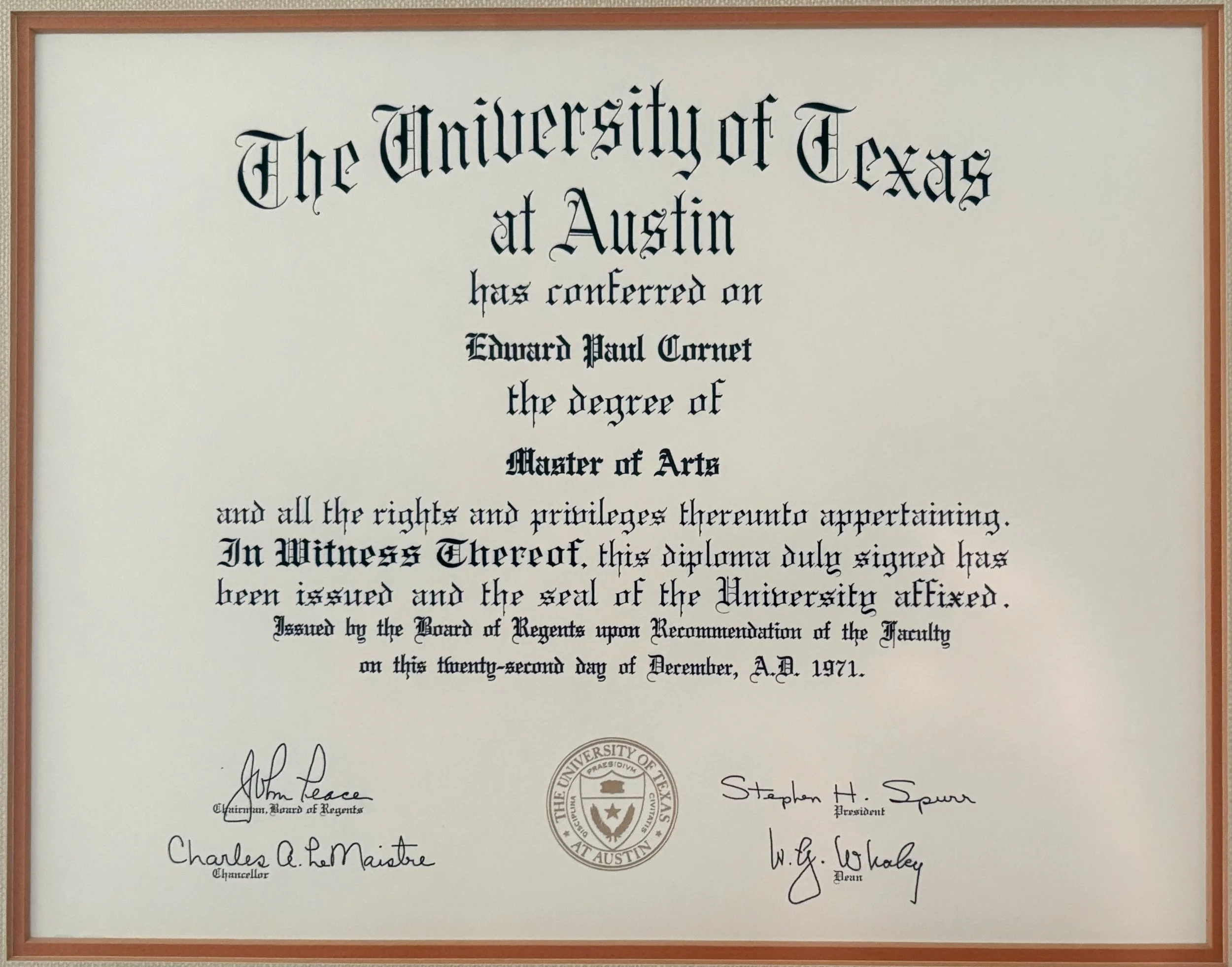
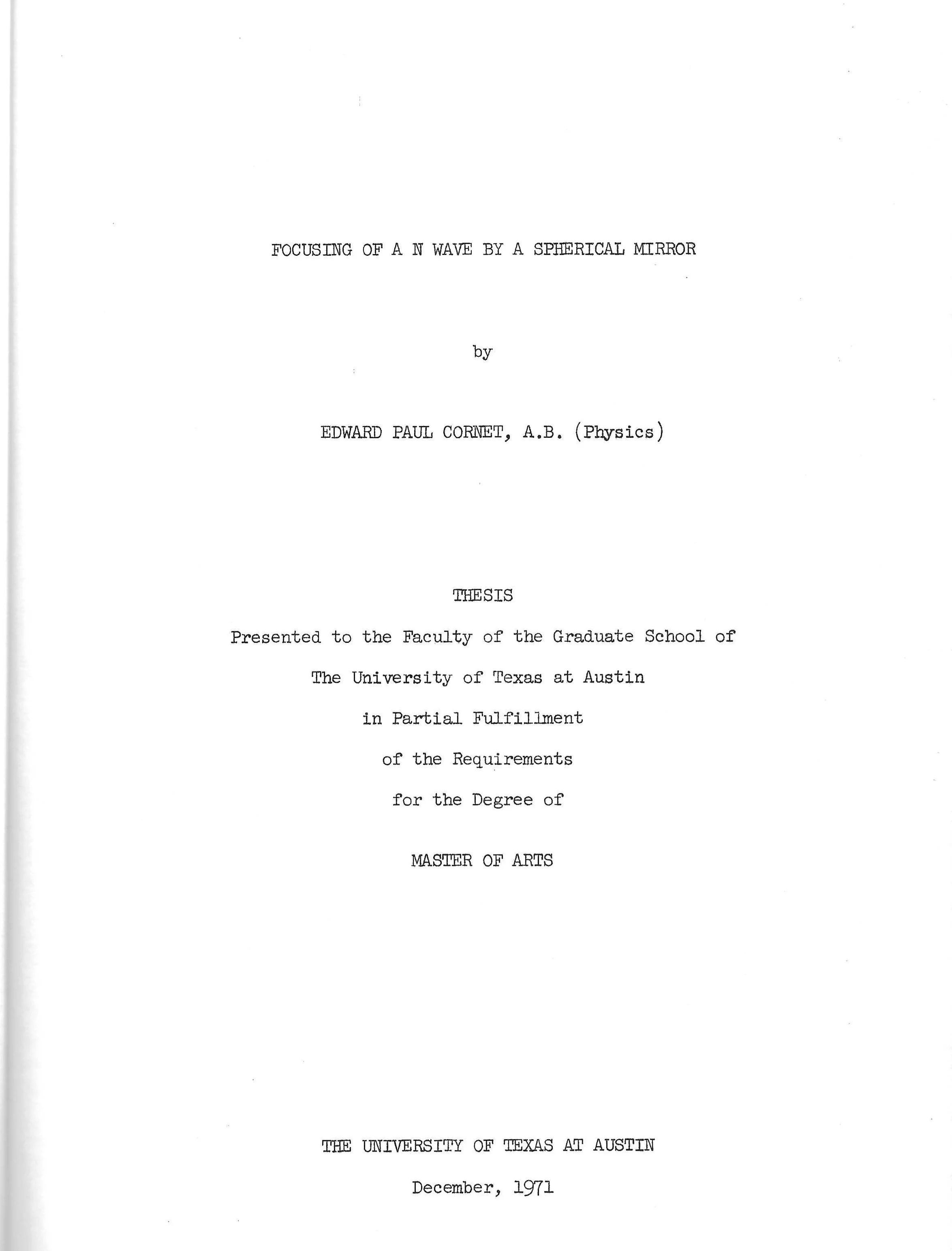
My first summer in Austin I found a research job at the UT Applied Research Labs. The US Air Force wanted to better understand sonic booms, in particular the possibility to concentrate the energy using special circular paths for a super-sonic aircraft. The math for the wave behavior as it got nearer the focus became non-linear, but solvable. I designed and built a lab experiment to generate a mini-sonic boom, called an “N wave” for its sharp rise and fall of intensity. The wave was be generated near the focus of a spherical mirror, reflected off the mirror and refocussed. I built special very high frequency microphones capable of withstanding the high force of the wave to detect the change in intensity and shape as the wave was focussed by the mirror to confirm the theory.